SCIENCE AND KNOWLEDGE

Research, knowledge transfer and innovation

The Research and Documentation Centre

Science & Knowledge is a cross-cutting component of the MAM Foundation that combines research, knowledge transfer and innovation. It brings together researchers·artists, authors·population·the Bankon country around programmes that dialogue with the Ecology & Agriculture and Art & Creation clusters, thus fostering an interdisciplinary approach.

Since 2023, the Science & Knowledge division has relied on the Research and Documentation Centre, which includes:

  • The Living Economy Laboratory: a space for reflection and experimental research based on models of solidarity economy based on respect for living, biodiversity and endogenous knowledge.
  • The library, which works as much in the heritageization and transmission of knowledge as in innovation, while responding to the current challenges of education and digital transition.

The Living Economy Laboratory

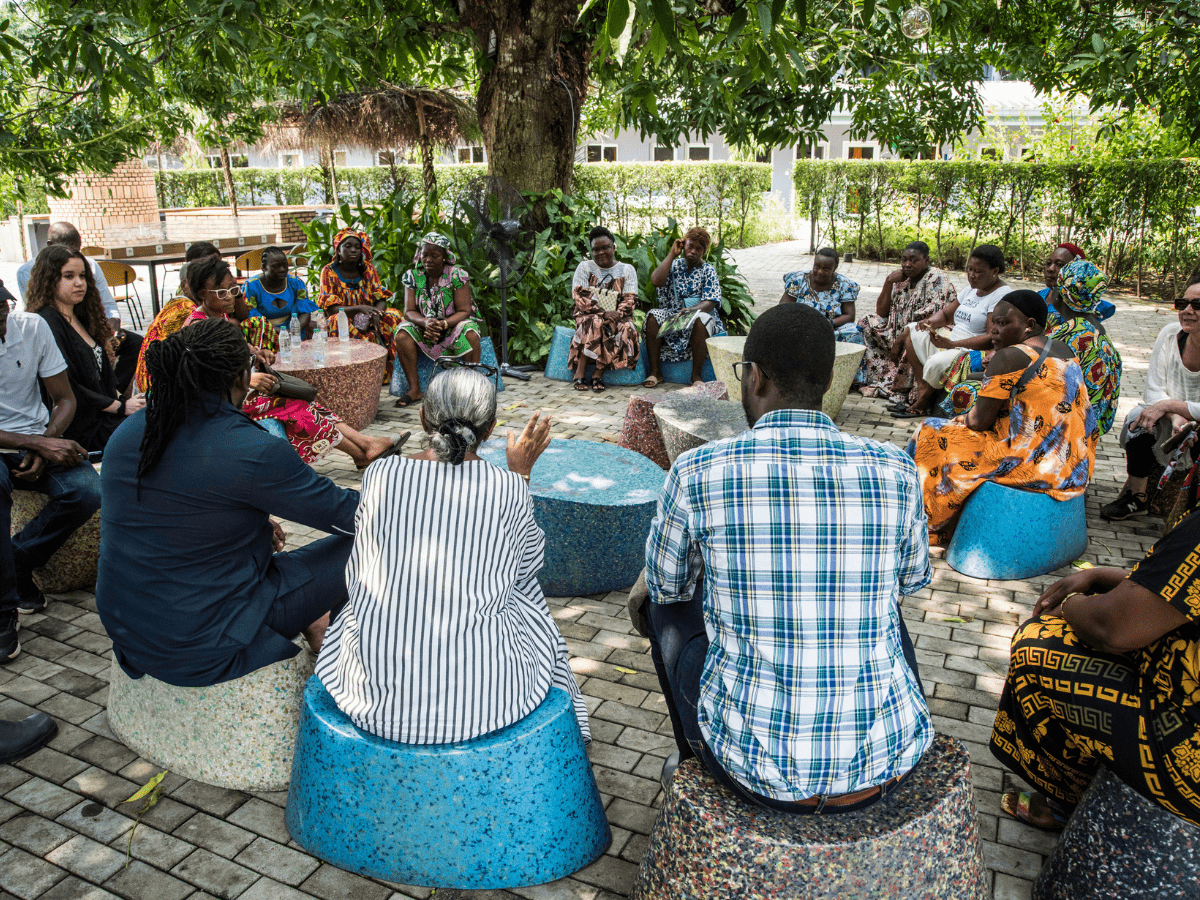
The Living Economy Laboratory is at the heart of the MAM Foundation's reflections and projects. Co-piloted by Felwine Sarr and Séverine Kodjo-Grandvaux, this laboratory brings together a multidisciplinary team. His first study, conducted between 2020 and 2024, consisted in carrying out a thorough counter-cartography of the territory of Grand Suza, integrating its social, anthropological, economic, cultural, historical and geographical dimensions.

The lessons learned from this work today irrigate the various programmes and initiatives of the MAM Foundation, ensuring coherence between research, action, creation and transformation.

The two main projects under study are the restitution of the material and intangible heritage that has been destroyed during colonization and the development of cultural banks.

The library

These are:

  • D a library of more than 5,000 books open to researchers·and to the whole community,
  • A herbarium and a grain library, both a scientific resource and a tool for transmitting botanical knowledge,
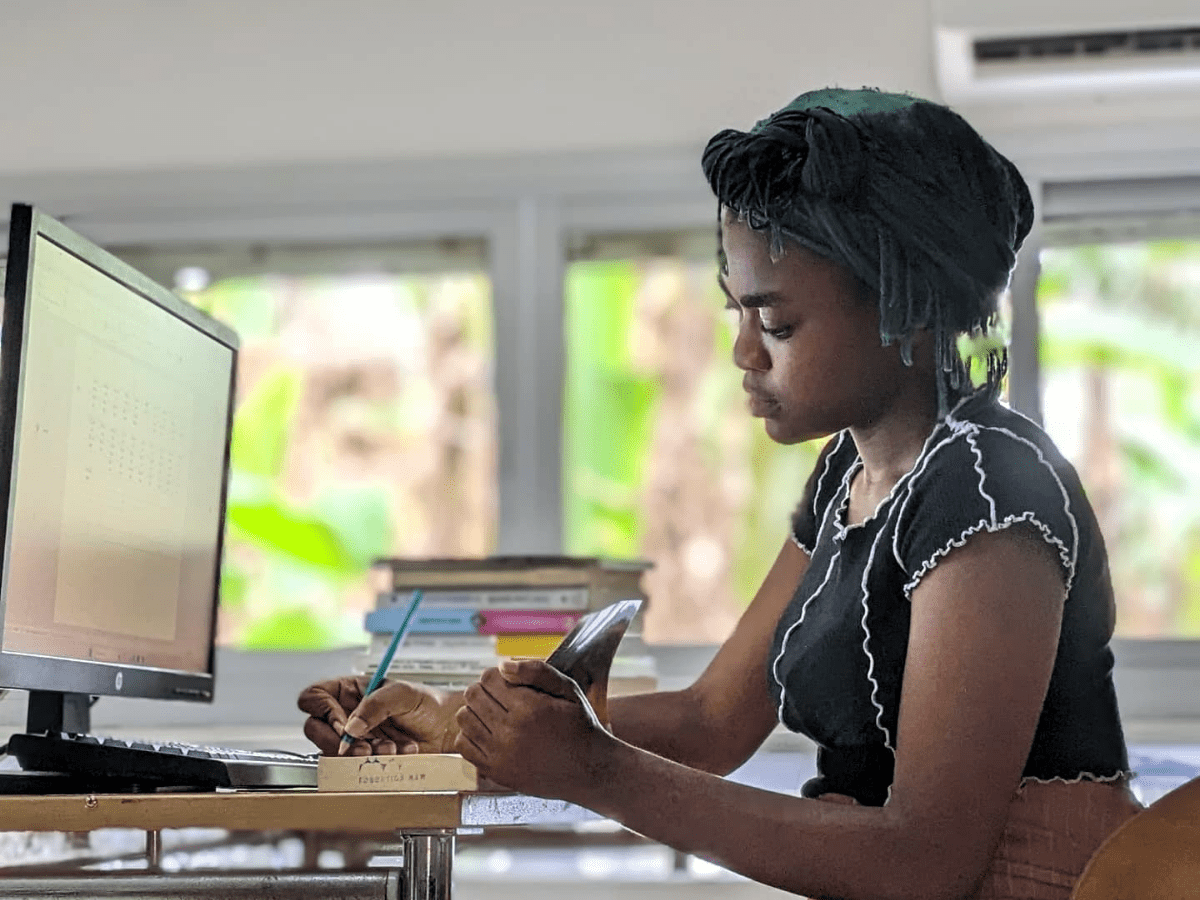
  • A digital content system and digital tools to support the digital transition in rural areas.
  • A series of local podcasts for a wide audience
  • A collection of contemporary art.

Library

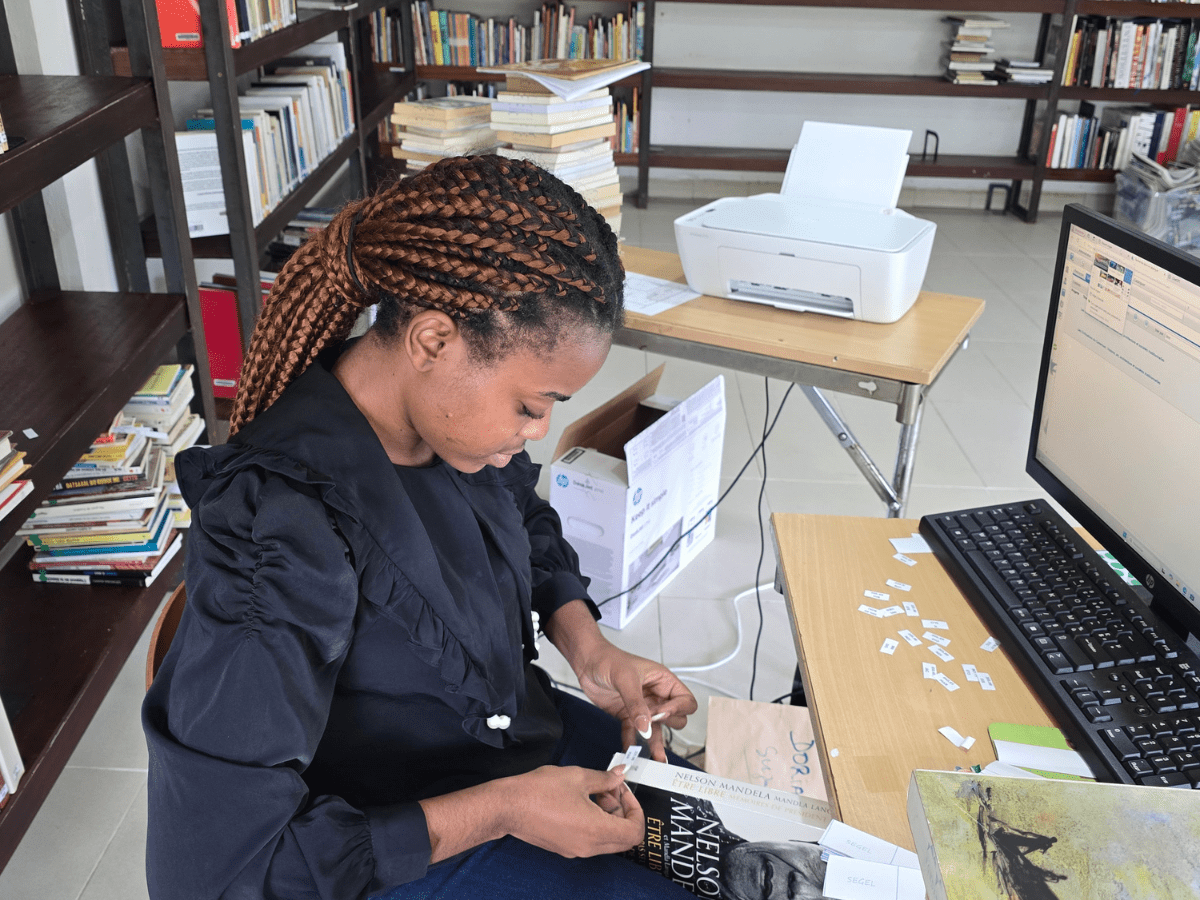
The MAM Foundation's library, open to all, and especially young people, represents more than just a consultation space; it is a true crossroads of knowledge. It includes more than 5,000 books, novels, essays and poetry collections with a focus on art, ecology, economics, humanities and politics.

The constant enrichment of the fund allows researchers·women, student·to conduct in-depth studies.

Herbarium & grain library

This is one of the flagship projects of the Suza Factory for the exploitation and transmission of botanical knowledge.

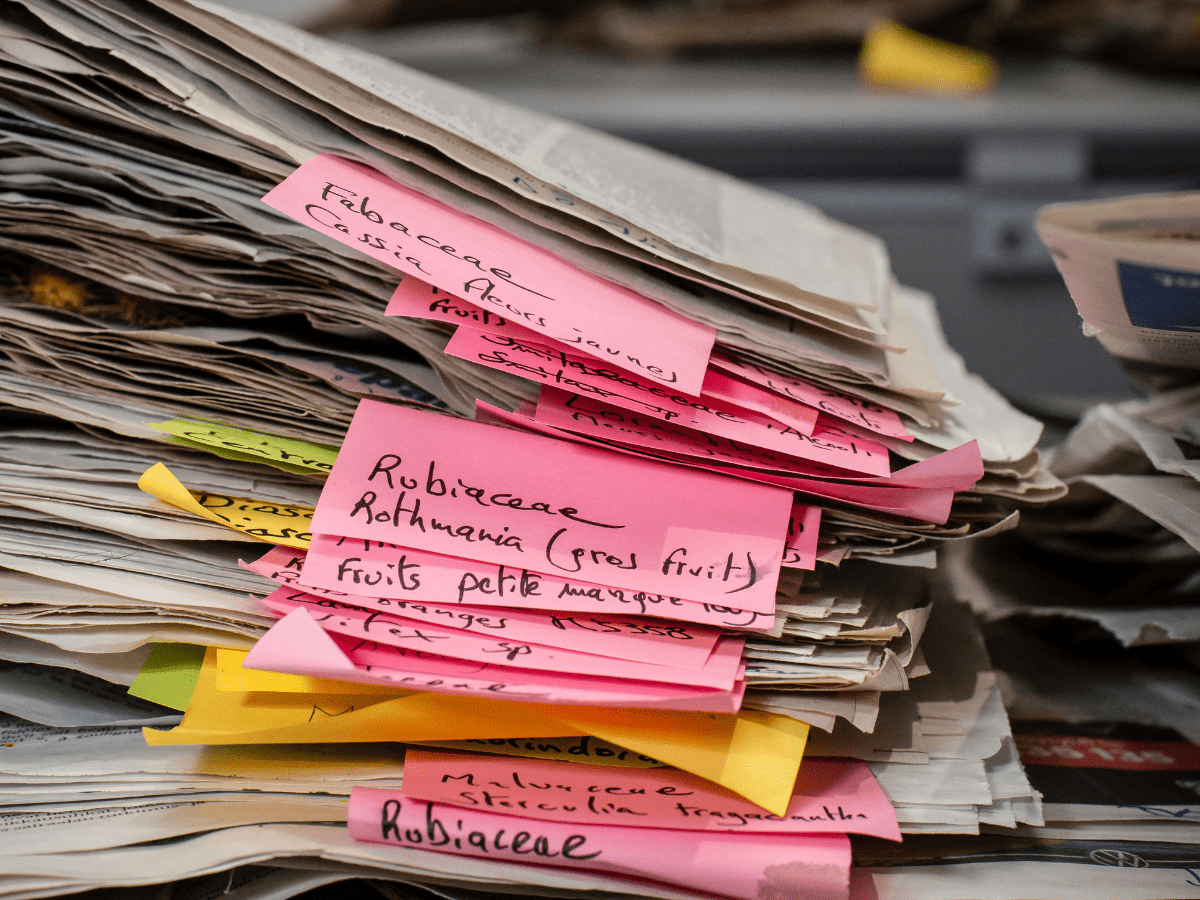
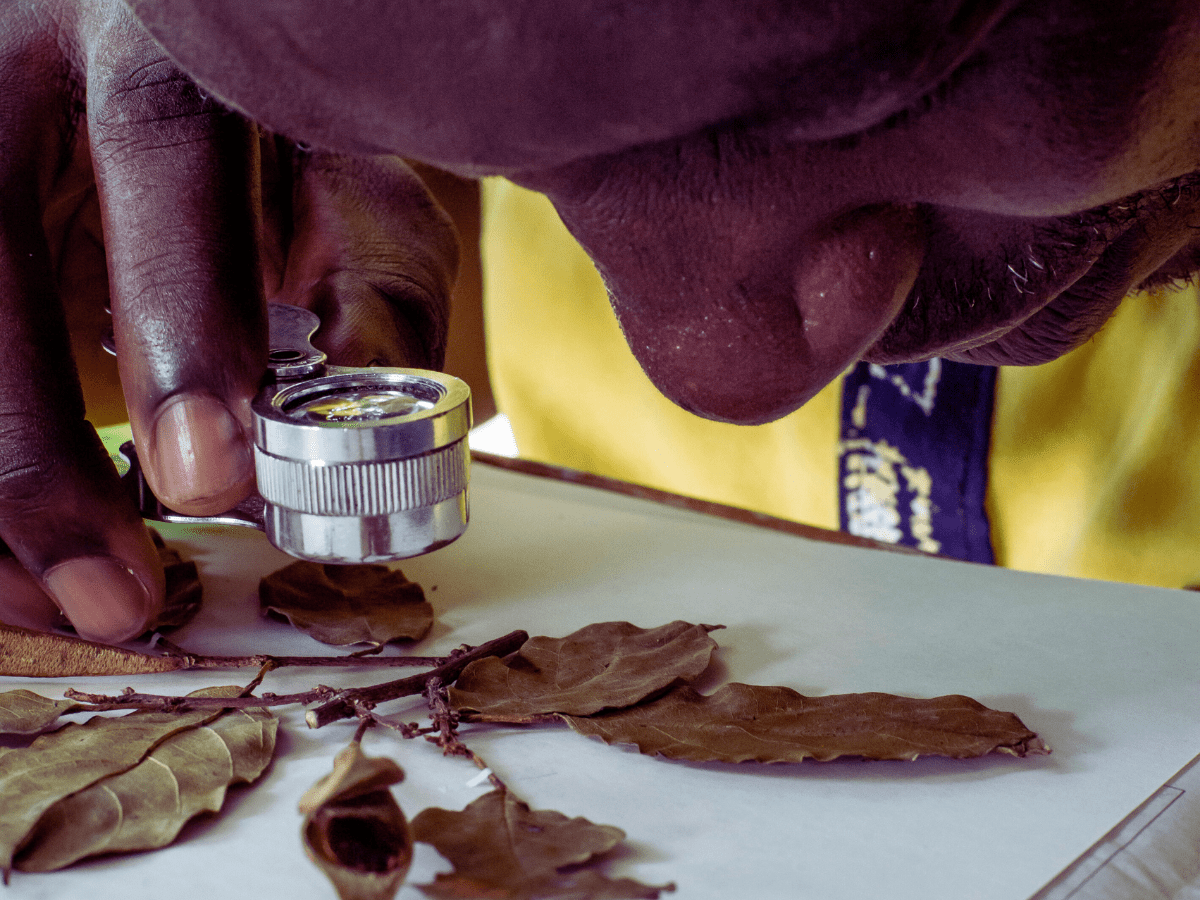
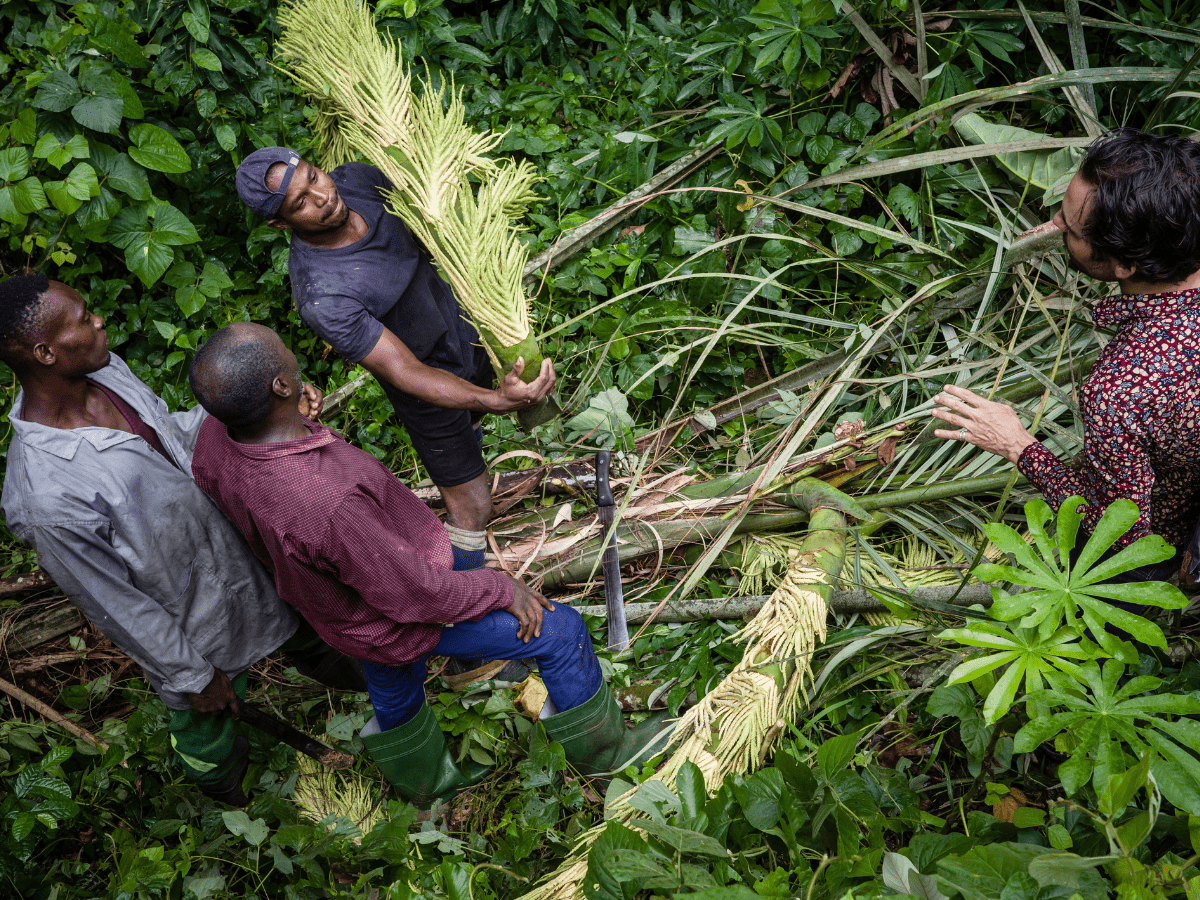
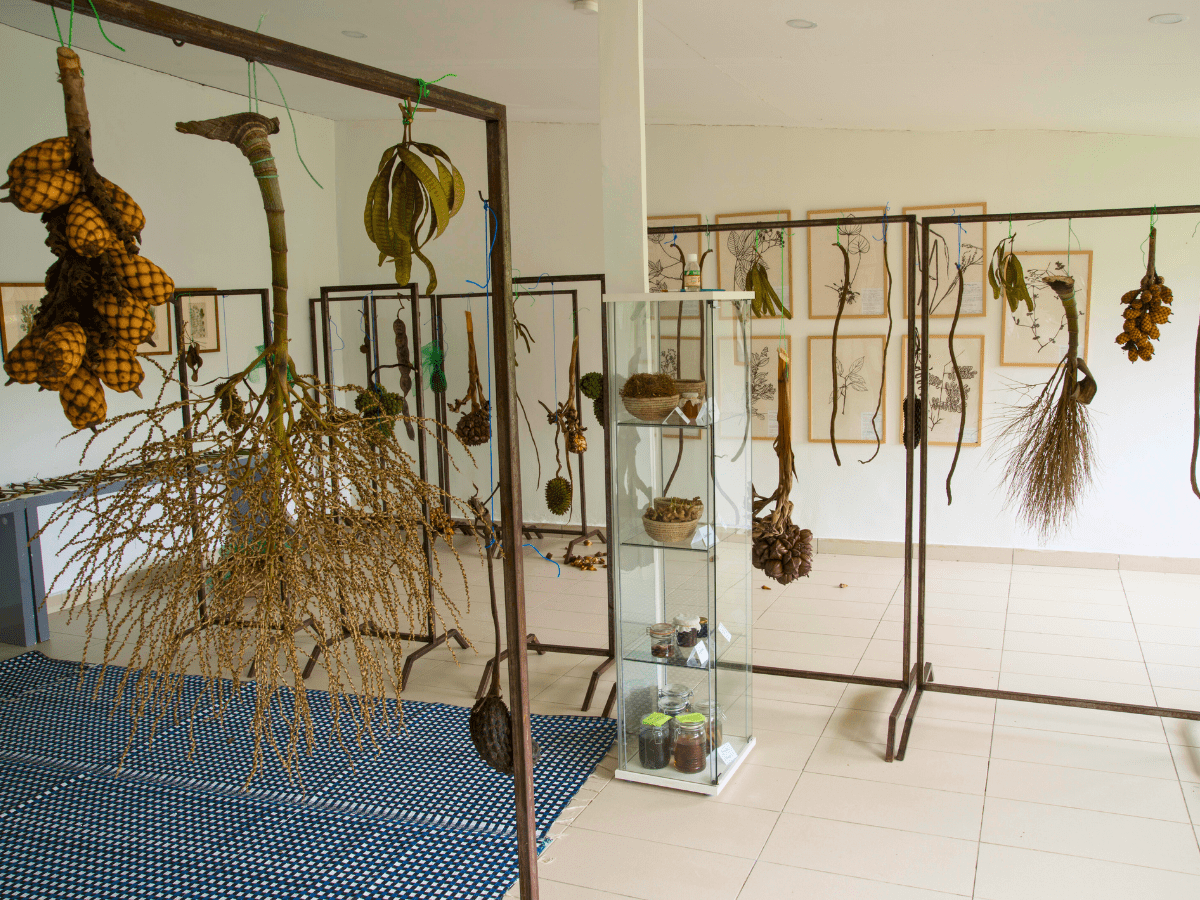
The herbarium is a real living laboratory, where the local flora is catalogued as a collection organized into botanical specimens (leaves, flowers, stems, and roots) which, after being dried and fixed, are preserved for research and transmission. This ancestral tool is led by Marc Jeanson (botanist, former director of the National Herbier at the National Museum of Natural History of Paris and botanical director of the Jardin Majorelle in Marrakech) and Eric Ngansop (botanist at the National Herbier of Cameroon).

The herbier is a powerful educational tool. It provides support for training workshops for young people, farmers and women in Grand Suza engaged in the Green MAM programme ... Modules on species identification, the production of biopesticides and biofertilizers, as well as medicinal uses allow communities to rediscover their botanical heritage and develop initiatives that are economically feasible, such as the one set up within the Grand Suza women's agricultural cooperative.

The environmental impact of the project is equally significant. The herbarium contributes to the fight against soil degradation and climate change and helps ensure sustainable food production and a better quality of life for the inhabitants.

The MAM Foundation also organizes culinary art residences to rediscover forgotten culinary preparations, mainly based on plants grown in the bankon country. One of our projects is the digital publication of a book of traditional recipes in order to highlight the diversity of Cameroon's fruits and vegetables and to stimulate the production and marketing of these plants by the women's cooperative of Grand Suza. Initiation workshops on the creation of natural dyes from tincture plants for textile engravings, or extension workshops on the use of therapeutic plants will also be offered.

The dissemination and integration of such traditional knowledge requires digital innovation.

Digital content and digital tools

The MAM Foundation is committed to bridging the digital divide through:

MAM Digital Herbarium.

The digital version of the herbarium will make it possible to consult online the botanical riches of Cameroon and document the biodiversity of the territory. MAM Digital Herbarium will offer the possibility to explore the specimens, to consult a detailed sheet by species. The MAM Foundation will connect its resources to reference data banks that bring together the world's digital grasslands.

The MAM Foundation runs two projects to boost the cultural and educational life of Grand Suza.

The Maduta Youth Collection.

Maduta is conceived as a collection of playful and educational digital works that celebrates the richness of contemporary African creation among young people aged 8 to 14.

Podcasts and videos.

The MAM Foundation is also a platform that broadcasts podcasts and videos on bankon culture and engogen ecology. The first episodes are already available and address different themes such as « Nature and development »; « Communitying with the Living »; « Colonization and memories of plants »; « Urbanism and climate challenges »; « The Walk of the Deep Time ».

The Collection of Contemporary Art

The MAM Foundation's collection of contemporary art, rich in hundreds of works, has been established over the years. This fund represents a resource for the exploitation and transmission of artistic creation.

In order to make this collection accessible and enrich the dialogue around contemporary art, the MAM Foundation carries out several initiatives:

  • Creation of a digital space for online consultation of a selection of works and archives.
  • Production of videos and educational content in collaboration with Simon Njami.