The issue of producing a viable economy that meets the needs of human communities, while not adversely affecting biotope, is at the heart of contemporary concerns.
To help ensure the well-being of the community by valuing local practices that make it possible to think of a living economy, respectful of backgrounds, populations and their cultures, the MAM Foundation created the Laboratoire Economique du vive (LEV), conducted a counter-cartography study of the territory of Grand Suza, from 2020 to 2024. This data collection work on care and welfare issues and ecological knowledge was carried out in order to assess how local value chains are built and how to enshrine the economy in the Grand Suza region, in order to foster a circular economy that meets the needs of the people while preserving their environment.
Based on this work, the MAM Foundation has developed two programmes: Green MAM and Clean Village.
The Green MAM programme proposes an approach around three objectives, combining women's empowerment, agro-ecological transition and economic development.
Women produce nearly 70 per cent of food in sub-Saharan Africa and play a central role in preserving agricultural knowledge and developing sustainable practices. They often lack access to land, finance and markets. Strengthening their economic and decision-making power is essential to ensuring sustainable and equitable agriculture.
Women are organized in agricultural cooperatives and are supported by a steering committee of which the MAM Foundation is a member.
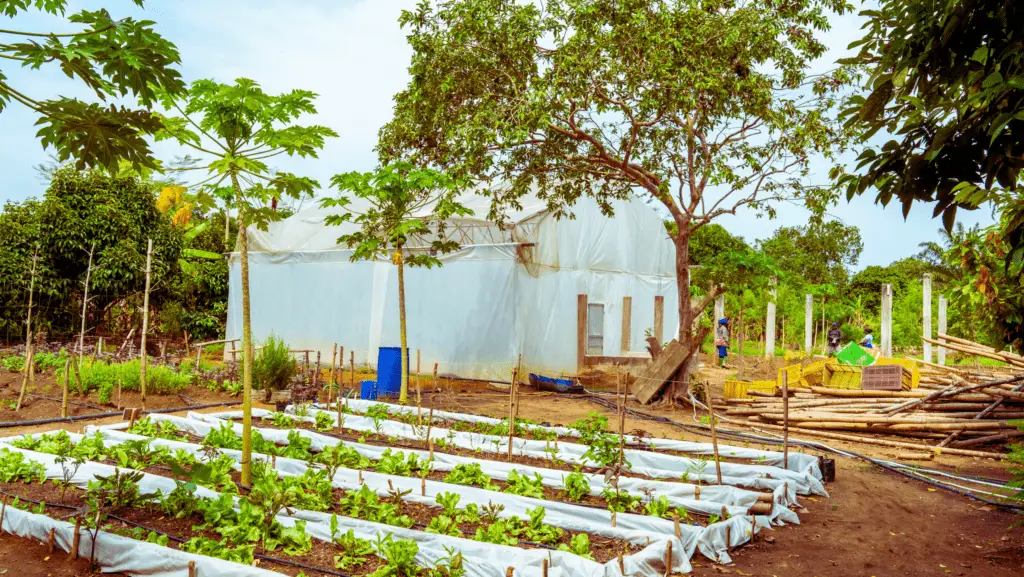
Women members of the cooperative, the Green MAM, benefit in the form of land parcels (1 farmer = 1 hectare) owned by Marha Organic Farm – MAM Foundation, as well as agricultural tools and technical equipment.
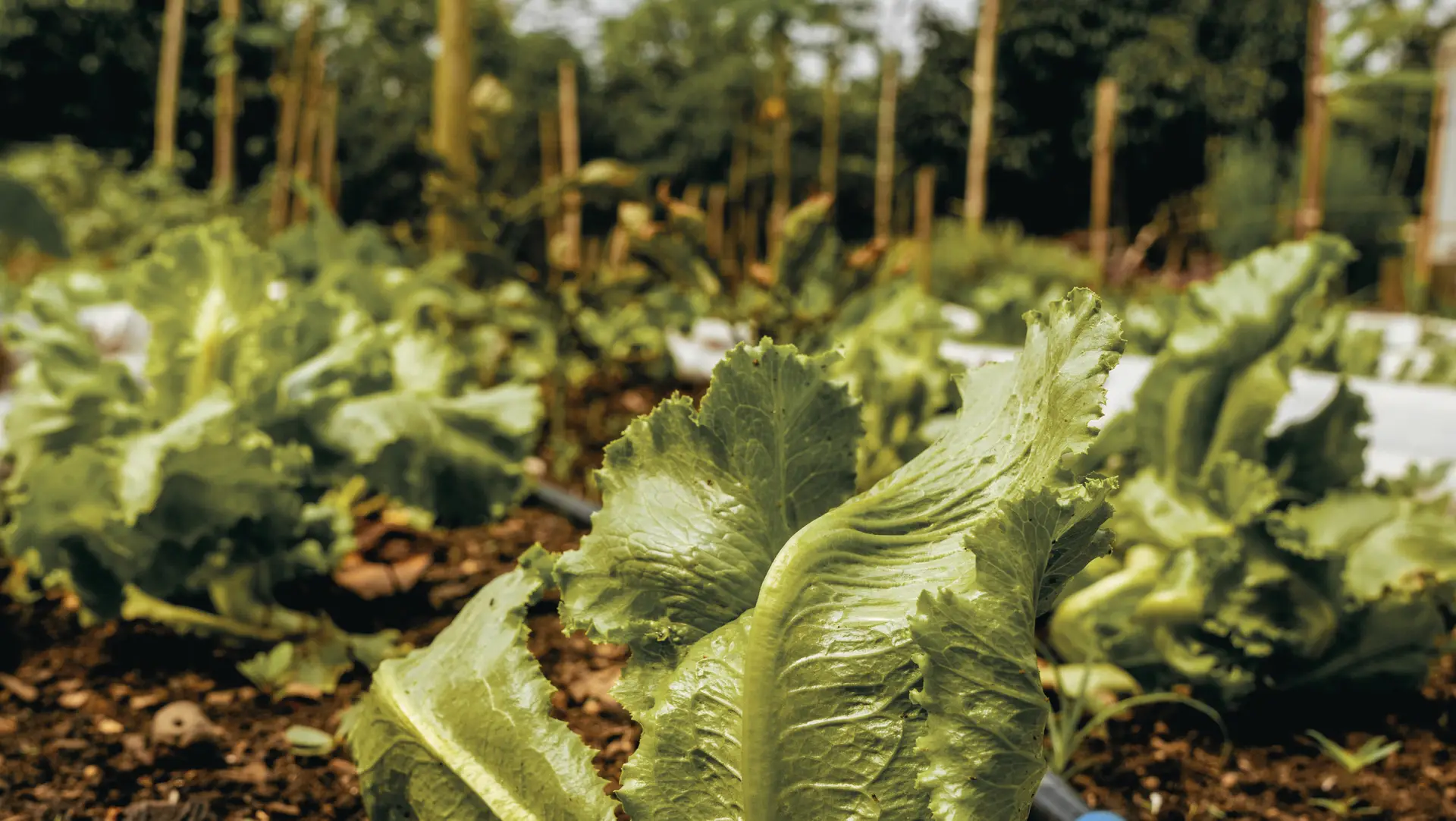
The aim here is to enrich each other by sharing practical and theoretical knowledge, whether it be modern or traditional, respectful of the environment and sustainable agricultural practices (remediation of soil, polyculture, mulching and composting...).
Training modules in culture techniques adapted to agro-ecological principles (biofertilizers, biopesticides, etc.) and digital tools are provided in the context of support in rural entrepreneurship (management of a cooperative).
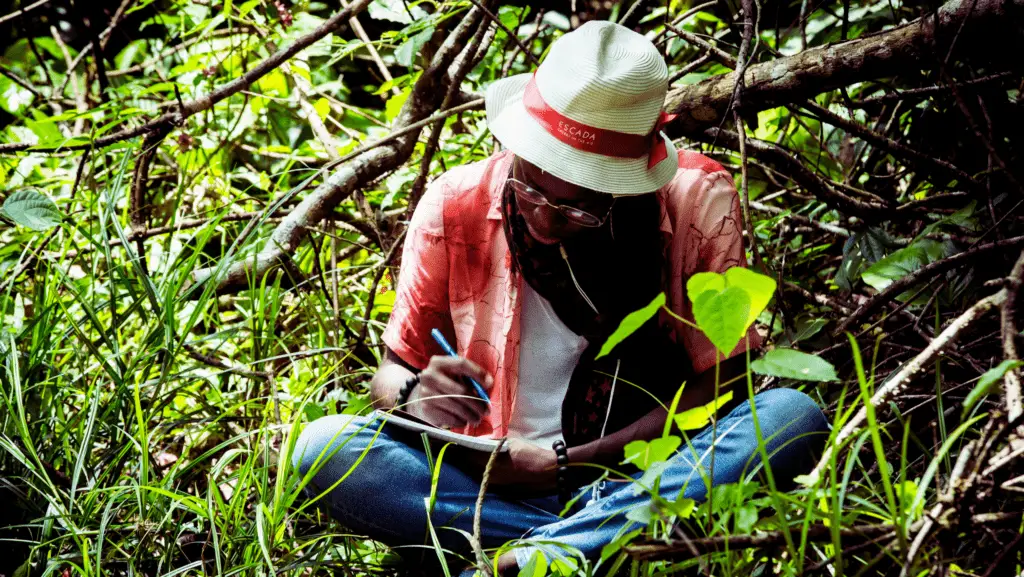
The development of botanical knowledge plays a central role in the Green MAM programme. Beyond identifying and preserving local biodiversity, the herbarium is an essential resource for women farmers. The grain library promotes seed autonomy and the preservation of local cultures.
The Green MAM programme supports the processing and sustainable marketing of agricultural products. Developing processing infrastructure and structuring the distribution network through partnerships, participation in trade fairs and trade fairs will make it possible to enhance local production, in order to facilitate access to local markets and thereby improve the income of farmers on a sustainable basis. The creation of an eco-friendly label will guarantee the authenticity and quality of the products.
Clean Village offers an approach around three objectives, combining
health, awareness and enhancement.
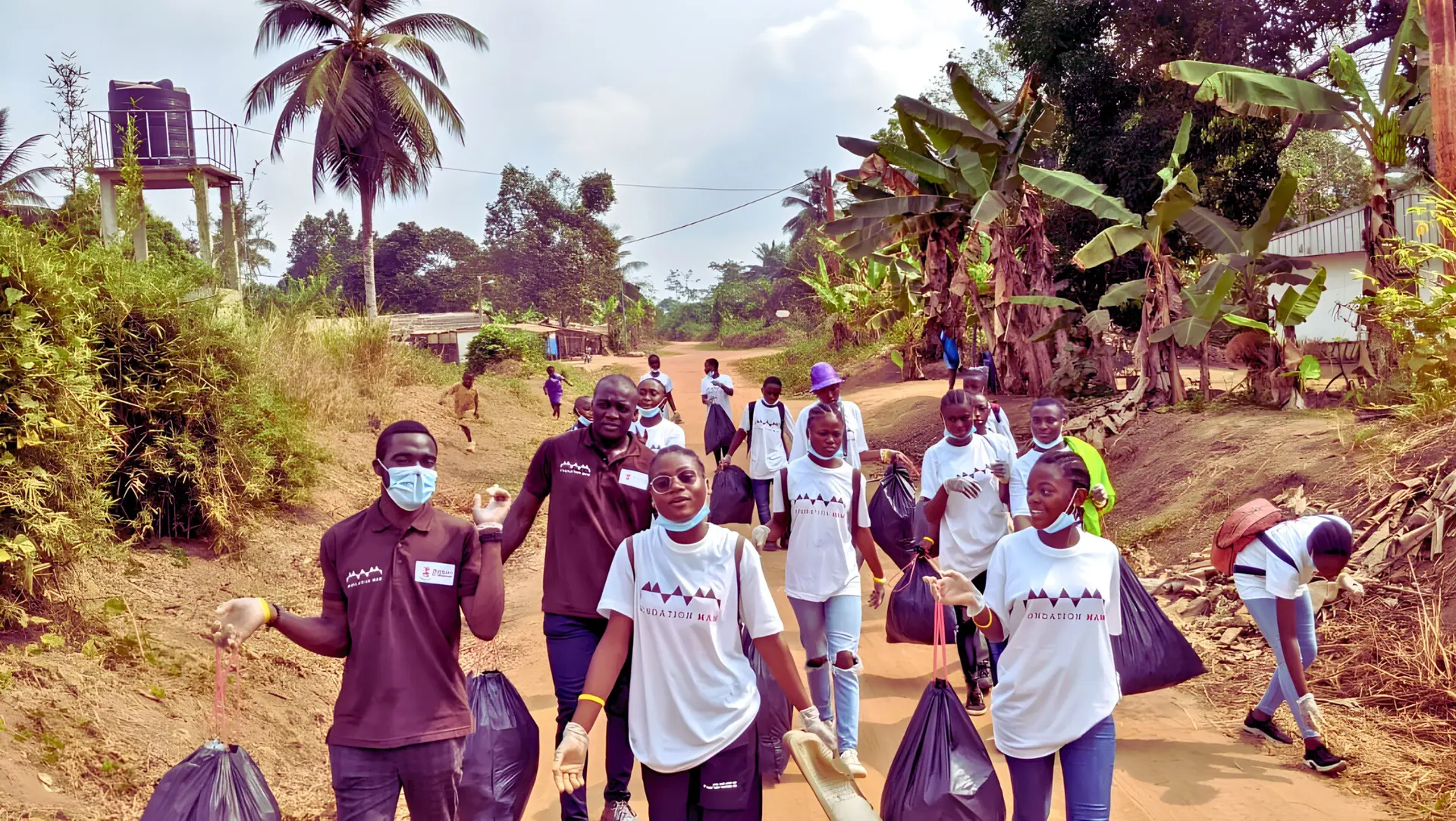
To improve the health of Grand Suza while creating opportunities for collective and income-generating activities for young people in the village, the MAM Foundation, in partnership with a specialized company, is leading the Salubrity Commission of the village, which has set up a waste management system organised around the collection and selective sorting. This project is accompanied by awareness-raising activities with the community and schools.
La valorisation des déchets, notamment plastiques, constitue une dimension innovante du projet qui transforme ces ressources souvent négligées en initiatives créatives de recyclage. Par exemple, l’artiste designer sénégalais Bibi Seck animera une résidence artistique et éducative sur le thème du recyclage et du design. Ces créations pourront être installées au sein du village de Grand Suza et à Douala à la Galerie MAM, mettant ainsi en lumière le potentiel des matériaux recyclés.